

Skins, Flex & Status: How Cosmetics Became Core to Esports Culture
 1788
1788
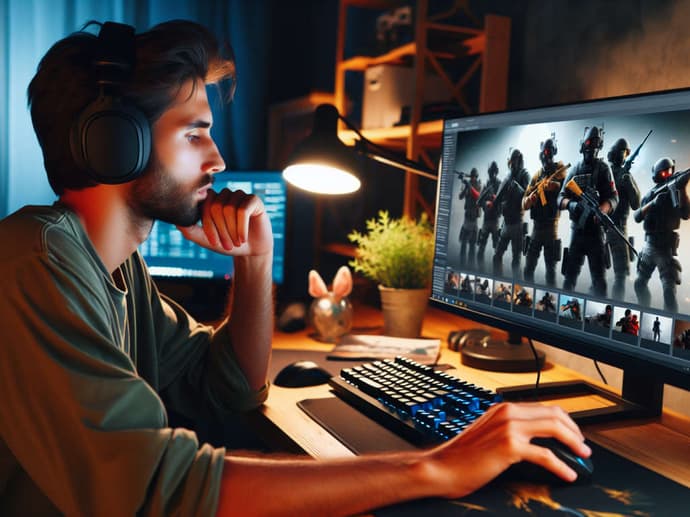
Over the years, the iGaming landscape has continued to change. Thanks to developing technologies, video games, in particular, have adapted to what players are looking for in their games. A rather surprising change in the gaming industry is the introduction of skins. These have become increasingly popular and influential within the overall gaming experience.
What are skins?
For those unsure what skins are, they are cosmetic items that can be purchased within a game. They change the look of in-game items such as weapons, characters and equipment. This helps players to personalize their choices, making them stand out from others within the game. Skins were first brought in during Counter-Strike; Global Offensive in 2013. As they didn't have an impact on the game itself or provide any advantages to the players, it didn't seem like something that would endure. As such, skins were initially just a minor aesthetic addition to games. Now skins are an integral part of gaming culture, They can be found in a wide array of titles from Counter-Strike 2 to Fortnite, DOTA 2, and League of Legends—and they’re now more than just visual flair; they’re part of broader digital ecosystems that also extend into areas like online payments. In fact, the digital personalization and flexible payment choices seen in esports closely mirror developments in iGaming, particularly at casinos that accept MiFinity, where players benefit from seamless, secure e-wallet options that make the gaming experience smoother and more customizable.
Why are skins popular?
There are many reasons for the enduring popularity of skins in video games. For one, they enhance player engagement and help fund esports ecosystems. But it's really the ability to enable players to be more creative and show off their individuality that's helped propel skins into a much-needed aspect of gaming. Without even realizing it, skins became a status symbol within the gaming community, with players really taking pride in collecting and trading them. Not only that, but players enjoyed showing off the rare skins they had, which helped improve player engagement in the game while also making them more invested in playing. Let's take a closer look:
- Player identity: gamers use their skins to stand out. They collect skins that show off their own individual style. Sometimes, skins can be used to represent their favourite teams.
- Building communities: with skins now a part of online gaming, many players are able to design their own skins. CS2 has a Steam Workshop where players can design skins that actually get added to the game. Furthermore, there is an entire economic ecosystem and marketplace where players can trade and buy skins from one another as well.
- Improved gaming interface: importantly, it should not be forgotten that game developers also benefit from skins, which means that players also do. This is because skins generate income for the developer, which means that they have more money to spend on updating and improving the game interface and features.
Impacts on gaming
With skins in place and other features available, there have been some major impacts of skins on gaming as a whole. For one, it's improved player engagement and retention. Games with skins have a higher player retention than those that don't. Players who have invested in skins are more likely to keep playing in order to show off their collection. New skin drops keep players returning to collect items.
Skins are also good for increasing social interactions. They can be a conversation starter with players trading, gifting or discussing their skins. It allows players to share common interests more effectively.
On top of all this, skins in games have really helped developers push the envelope in what they can offer. Developers are constantly looking to find other ways to utilize skins. These include offering blockchain-based ownership, AI-generated designs and making their skins compatible cross-games. Additionally, some developers have even begun collaborations such as the one Fortnite has with Star Wars and Marvel.
As such, what was once a way to add visual variety to a game has turned into an industry worth billions. Now, skins are an integral part of many games, funding esports and digital economies and even influencing the way players behave.

Elen Stelmakh är en kreativ person som brinner för att främja spelkulturen genom artiklar och visuell design. Som heltidsanställd EGamersWorld-författare och designer för en spelwebbplats skapar Elen inte bara innehåll utan förser det också med energi och kreativitet.

 Crimson Desert bästa sköldar - rankad lista och hur man får S-Tier-utrustningEn komplett guide till de bästa sköldarna i Crimson Desert. Jämför basstatistik, lär dig om unika bonusar och ta reda på var du kan få tag på försvarsutrustning i toppklass till din karaktär.
 Chillplay
 Hur man får Rhonid Large Shield i Crimson DesertLetar du efter den stora Rhonid-skölden? Följ vår Crimson Desert-guide för att smyga in i Lioncrest Manor och ta tag i denna unika sköld för högt försvar och rörlighet.Chillplay
 LCK CUP 2026 Omgång 1-2: Komplett laguppställningUpptäck den ultimata maktrankingen för LCK Cup 2026 omgångar 1-2. Se var Gen.G, T1 och andra koreanska lag placerar sig i vår detaljerade nivålista när de kämpar för en plats på MSI.Chillplay
 Marvel Rivals-uppdatering: Karta över nedre ManhattanDen 2 april 2026 fick Marvel Rivals en ny uppdatering. Det viktigaste tillägget är Lower Manhattan-kartan.
  stawraith
 #28
#28 TYLOO
TYLOO
 BMZTitta på matchen