

The Global Gaming Shift - How Will Esports Surge In 2026
 1460
1460
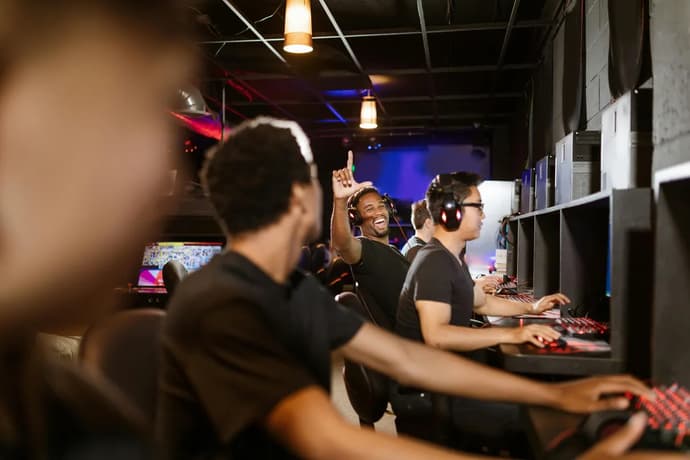
Change is constant and inevitable. Some will change for the worse, others for the better. When talking about esports in this context, the future is looking bright, as more and more titles and gamers flock for their chance under the spotlight. As the decades of investments into infrastructure, audience viewing pleasure, and support network start to pay off, we will see the fruits of that labor bloom in 2026.
Online Esports Entertainment
Online Esports increasingly intersect with a wider culture through sponsorships and themed entertainment content. Some platforms sponsor teams, players, or events, framing involvement as entertainment rather than income generation. Professional players from any sports and tournaments appear in crossover media promoting entertainment and betting sites, yet their activities remain distinct. The lines are blurred, and the fusion will be even more apparent in 2026.
Esports, just like regular sports, are competitive, with equally passionate viewers and players, and an addition of punters searching what betting sites to follow, as more players from both sides aim to find their preferred playground. Properly covered live events, updated odds, and insights on the most prominent players and teams are only some of the features such platforms need to provide (source: https://esports-news.co.uk/betting-sites/esports/).
2026 could be a year of fusion, where the industry recognises the similarities that exist and aims to provide a unified approach. As players want excitement and something new, there may be content stored for all.
Streaming Platforms Redefining Reach And Monetization
Streaming is what made esports big and visible. It showed what the world looks like and highlighted its potential for millions. And over 600 million people could be watching various esports tournaments in 2026. From Twitch to YouTube Gaming, and anything in between, there is no shortage of platforms battling for that viewership. Most come from China and Southeast Asia, just like their favourite teams and players.
Monetization strategies will change. Previously, we’ve seen streaming heavily relying on ads and viewer donations. That's long gone, and streaming platforms today integrate subscription tiers, exclusive access, and data-driven sponsorship placements. Teams and leagues negotiate revenue shares rather than hoping for viral moments. This is what the future of streaming will look like.
Cultural Acceptance And Media Recognition
Mainstream media coverage expands cautiously. Esports appears more frequently in financial sections than entertainment pages. That framing signals legitimacy. Universities offer esports management degrees. Corporations recruit former players for analytical roles. In gaming, we can find more and more cultural recognition.
That being said, resistance lingers. Some critics dismiss esports as transient. But the argument regarding the topic is becoming increasingly thin. Esports adapts because it listens, sometimes reluctantly, to its own failures. By 2026, esports will not need universal approval. It needs consistency, accountability, and room to refine itself in public view.
Mobile Esports Expanding Global Participation
Mobile gaming expansion has lowered entry barriers. High-end PCs no longer define competition. Skill expression shifts toward strategy, coordination, and adaptability rather than hardware investment. Purists question legitimacy. Competitive integrity depends on rules and consistency, not platform prestige.
Mobile tournaments like PUBG mobile will expand rapidly in 2026, and many others will also attract local sponsors. Telecom companies, device manufacturers, and regional brands invest where audiences live. That localization strengthens ecosystems that once depended entirely on global publishers.
Sponsorships Becoming More Selective
Brands approach esports with sharper criteria. Early sponsorships chased impressions. Modern deals prioritize alignment and audience behavior. Energy drinks, hardware companies, and financial services remain dominant sponsors, but newer sectors enter cautiously.
In 2026, sponsorship revenue could surpass $1.5 billion globally. That growth depends on accountability. Brands demand data transparency, audience demographics, and measurable engagement. Teams unable to deliver lose deals quickly.
This pressure improves professionalism. It also exposes weaker organizations. That process feels uncomfortable, but necessary. Improved infrastructure reduces regional disadvantages. Cloud-based servers and localized data centers lower ping disparities. Competitive outcomes depend more on preparation than geography. Technology does not solve everything. Disputes still arise. Yet the gap between amateur chaos and professional oversight continues to narrow.

Kateryna Prykhodko är en kreativ författare och pålitlig medarbetare på EGamersWorld, känd för sitt engagerande innehåll och sin känsla för detaljer. Hon kombinerar storytelling med tydlig och genomtänkt kommunikation och spelar en viktig roll i både plattformens redaktionella arbete och interaktioner bakom kulisserna.

 Roblox Bygg en djurpark koder april 2026Upptäck alla fungerande Roblox Build a Zoo-koder - lös in för ädelstenar, turbiljetter och gratis belöningar.
 Dima Ostapchuk
 Crimson Desert bästa sköldar - rankad lista och hur man får S-Tier-utrustningEn komplett guide till de bästa sköldarna i Crimson Desert. Jämför basstatistik, lär dig om unika bonusar och ta reda på var du kan få tag på försvarsutrustning i toppklass till din karaktär.
 Chillplay
 Hur man får Rhonid Large Shield i Crimson DesertLetar du efter den stora Rhonid-skölden? Följ vår Crimson Desert-guide för att smyga in i Lioncrest Manor och ta tag i denna unika sköld för högt försvar och rörlighet.Chillplay
 LCK CUP 2026 Omgång 1-2: Komplett laguppställningUpptäck den ultimata maktrankingen för LCK Cup 2026 omgångar 1-2. Se var Gen.G, T1 och andra koreanska lag placerar sig i vår detaljerade nivålista när de kämpar för en plats på MSI.Chillplay